Indroduction
Big Ideas, Real Impact.
Simple hacks.
Unit Map:
Genome, epigenetics, mechanome
Evolutionary mismatch,
Rewilding and ancestral health practices
Human Movement
modern movement habits
Ancestral movement habits
Casting and supportive devices
Casting at a cellular level – literature review
Effects on muscle
Effects on Fascia
Effects on Bone
Effects on Nervous system
Effects on Joints and cartilage
Effects on the cardiovascular system
Effects on inter-vertebral discs
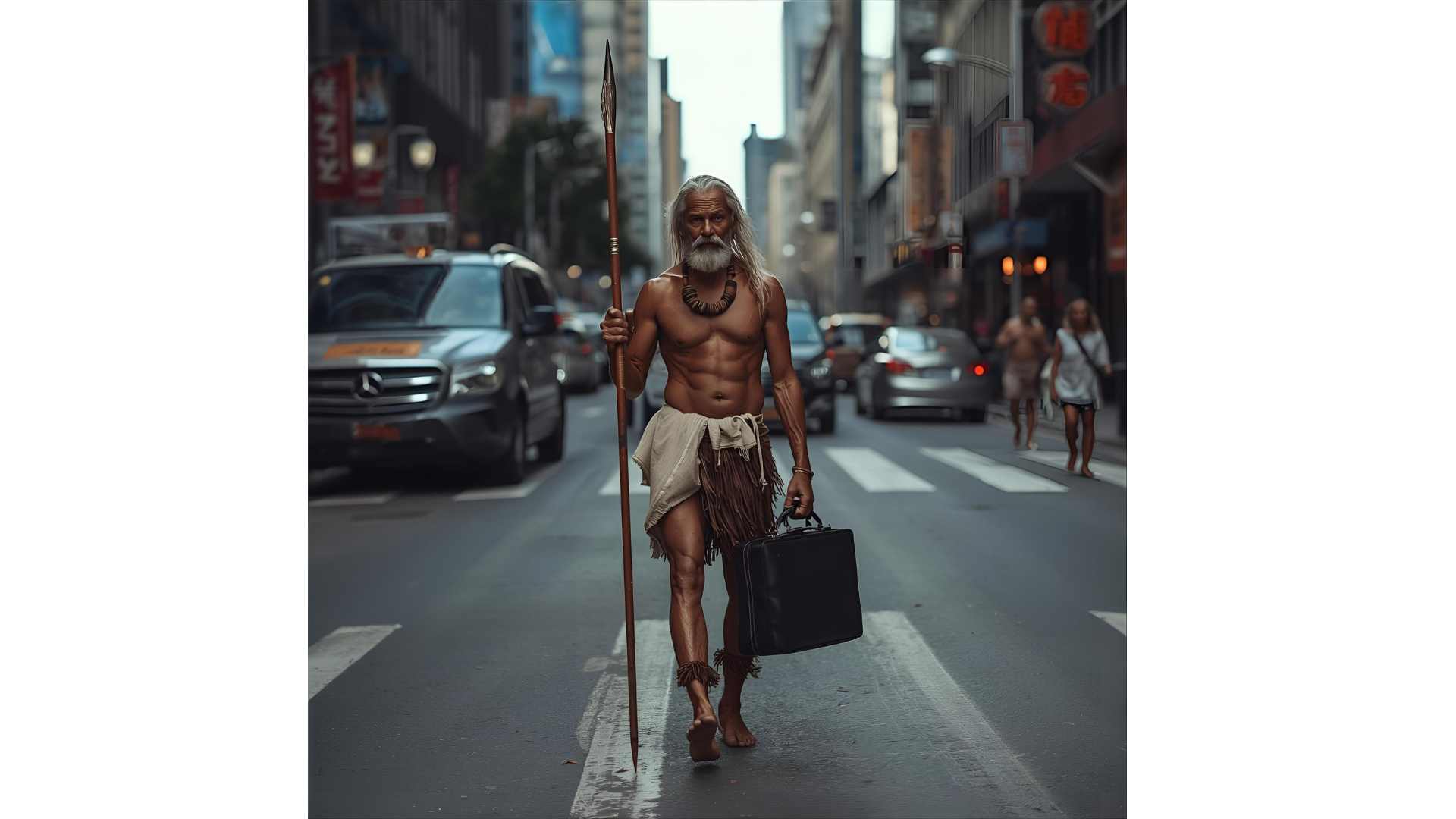
The Mismatch theory
Evolutionary mismatch
proposes that human genetics are adapted to thrive in specific environmental conditions.
And that our modern lifestyle does not provide those conditions,
Hence, we are no longer thriving.
Hormesis
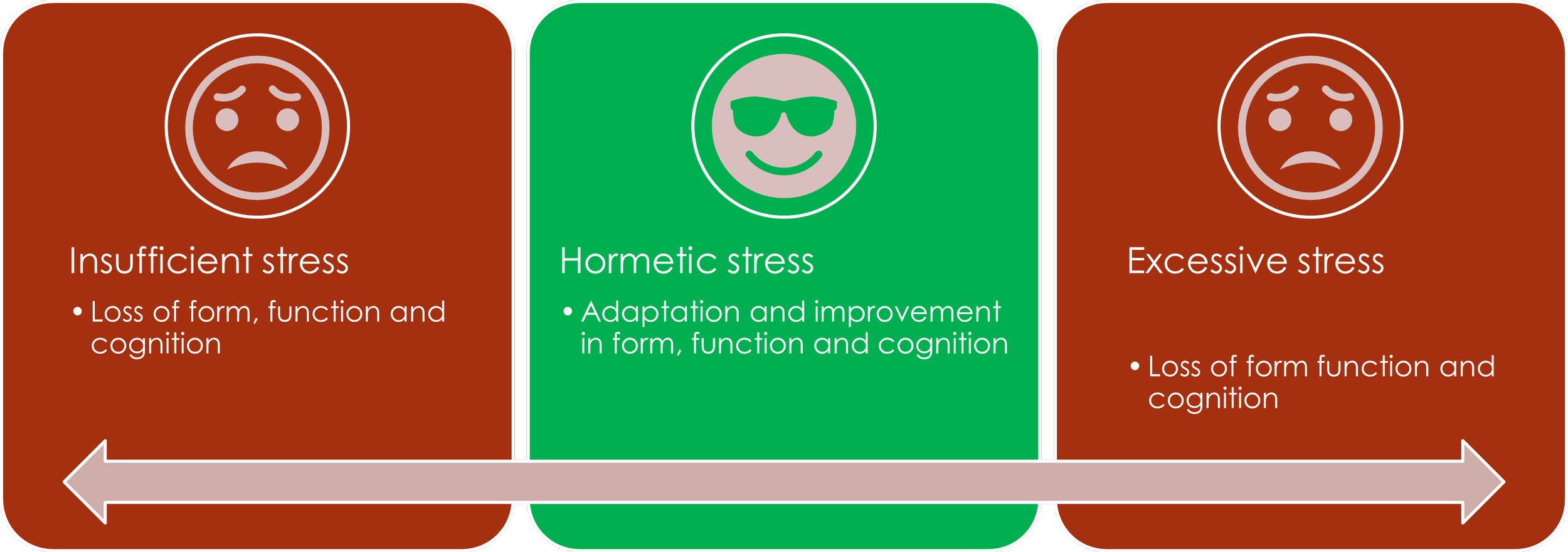
Hormesis was described briefly in our introductory module, so lets review it and dive in a bit further:
Challenge any system in our body (from our brain to our immune system) too little and it becomes fragile. Challenge it too much or too quickly and you can potentially cause injury.
We gave the example of the skeletal system: If we don’t do enough weight bearing exercise, then our bones become osteopenic and brittle. If we apply to much weight to bone too quickly, it will break. But if we regularly apply a moderate load to our bones they adapt and become stronger.
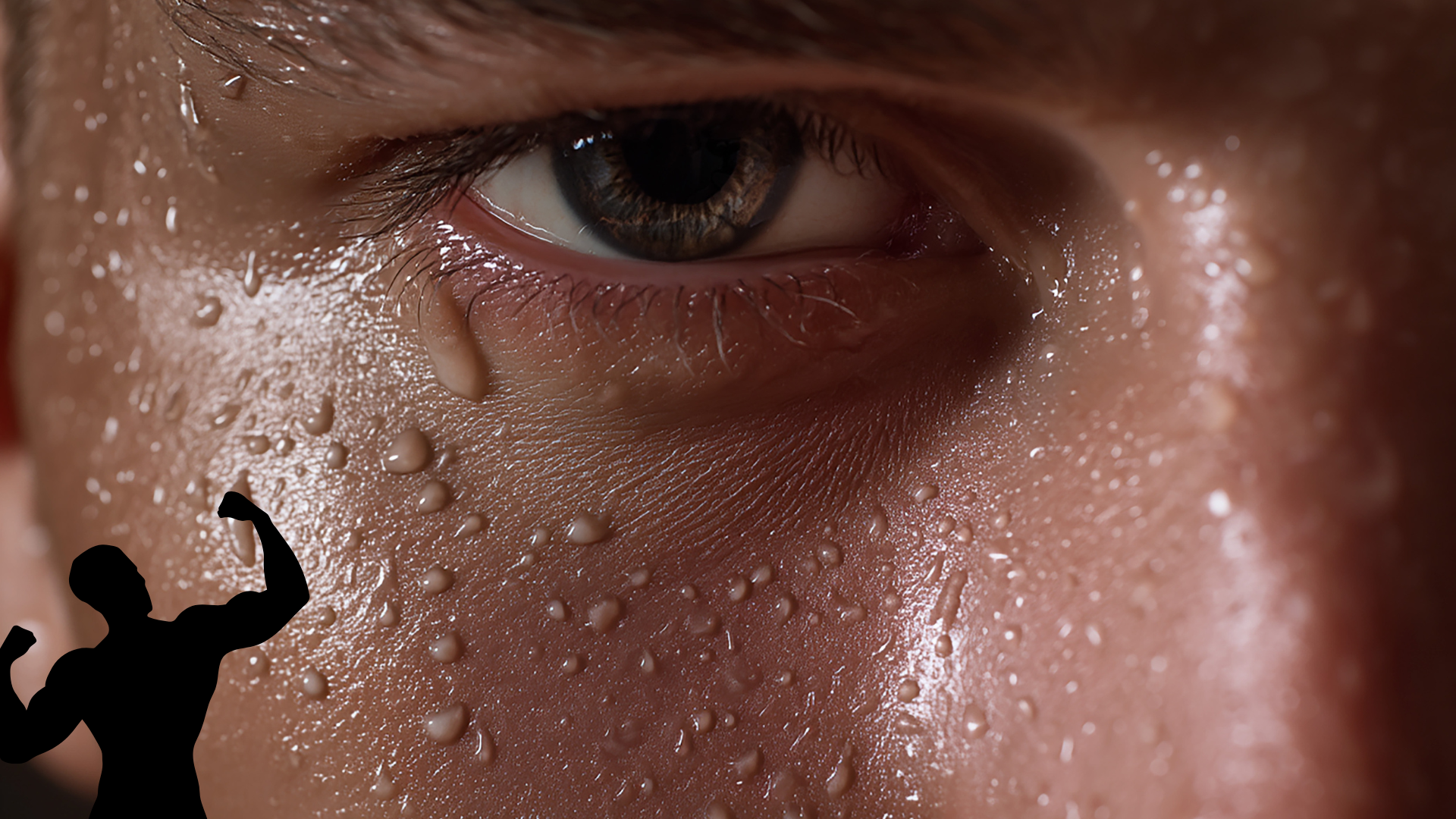
Then we experienced first hand how hormesis can work for other systems in our body when we did the interactive challenge of heat exposure, by slowly exposing our cardiovascular system to heat, we developed resilience to heat and as a result had bigger ‘comfort bubble’. Hormesis also applies to cognition - it all comes back to a very well known saying - use it or loose it! In one of the upcoming lessons we will explore hormesis at work on our tissues at a cellular level. (lesson Number: _ casting at a cellular level).
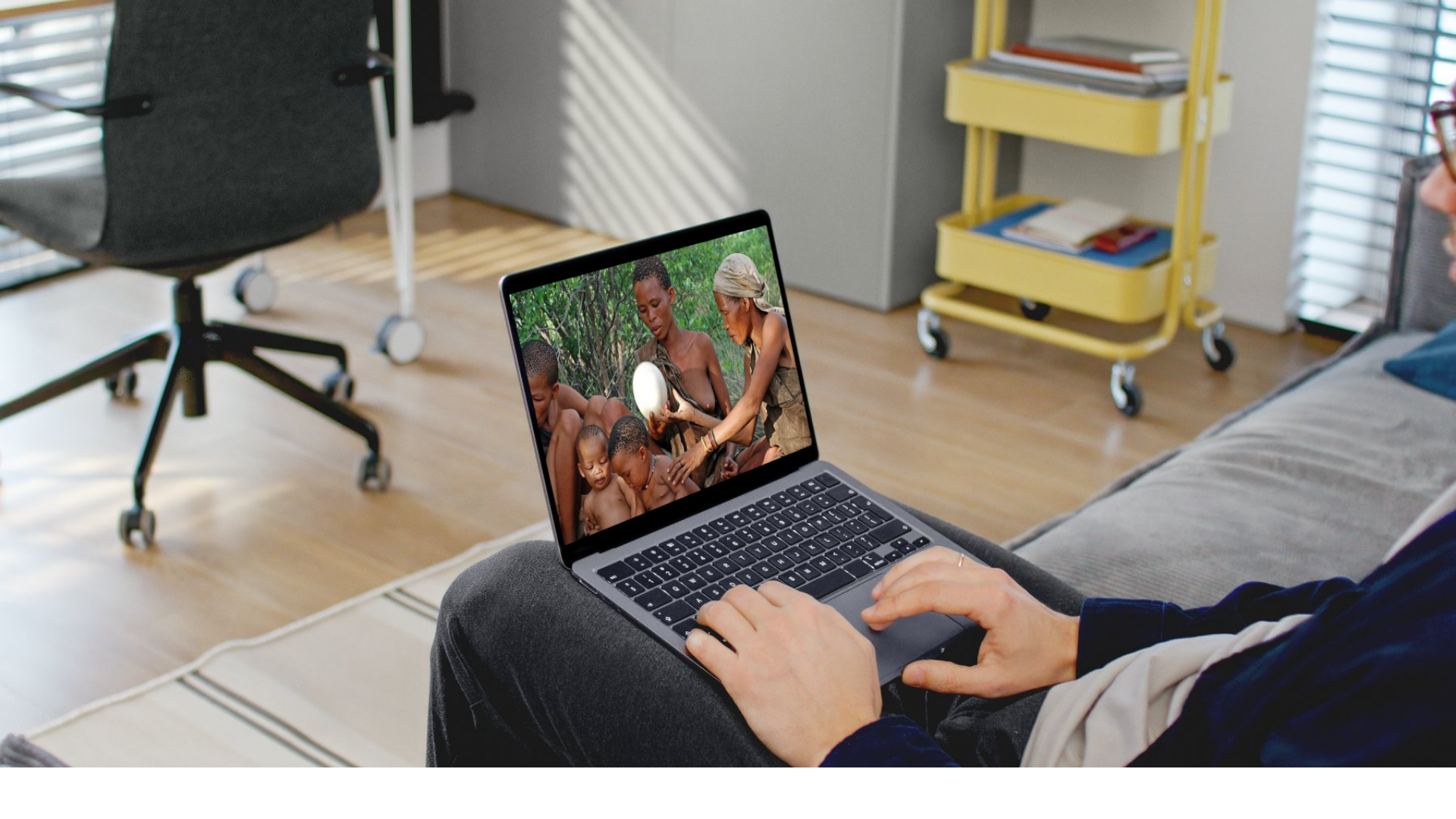
The role of Hormesis in the Evolutionary mismatch theory
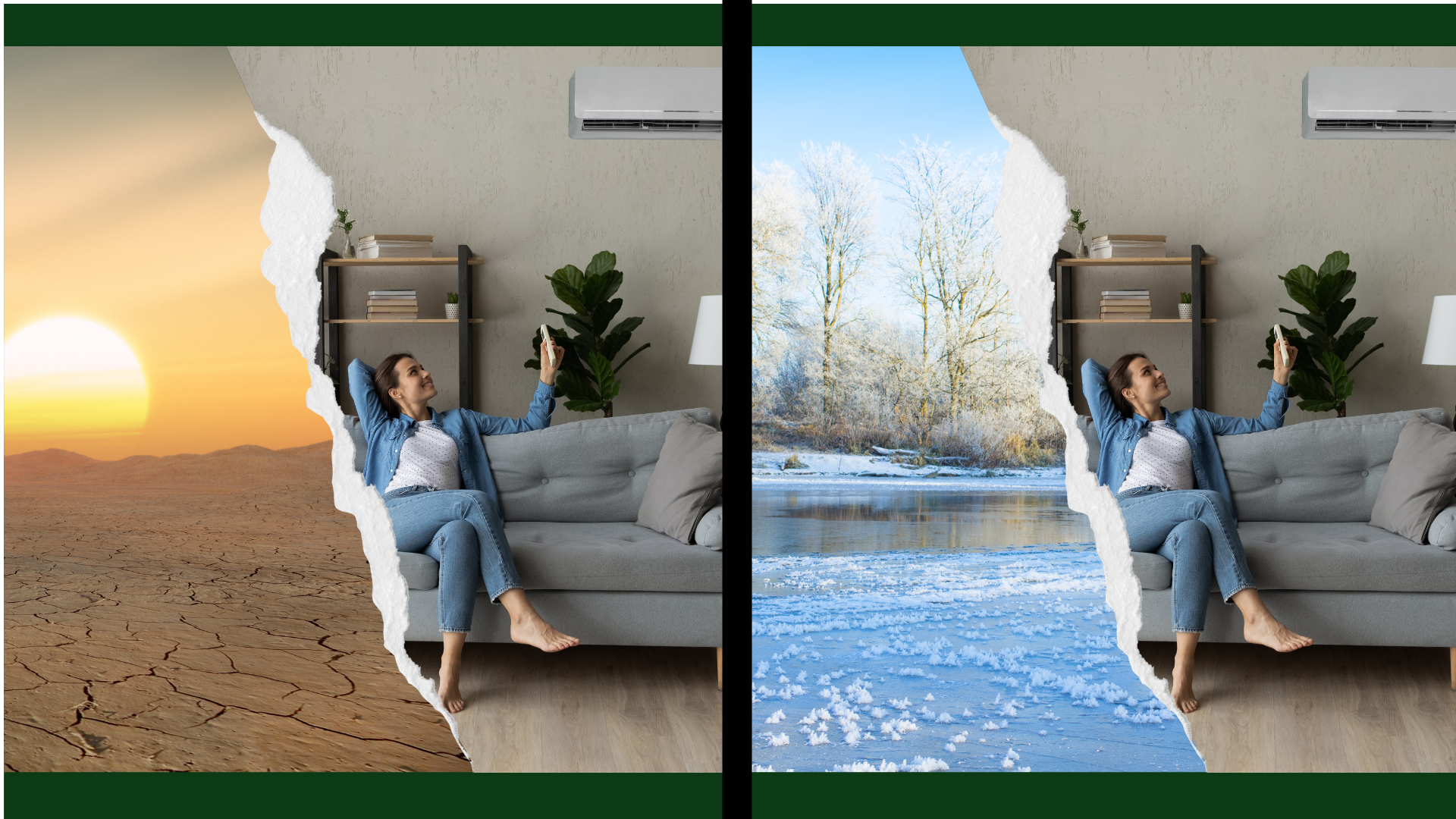
We modern westerners shield oursleves from discomfort.
It all comes back to hormesis. If you don’t challenge the systems in your body in the way they were designed to be, you become de-conditioned and fragile.
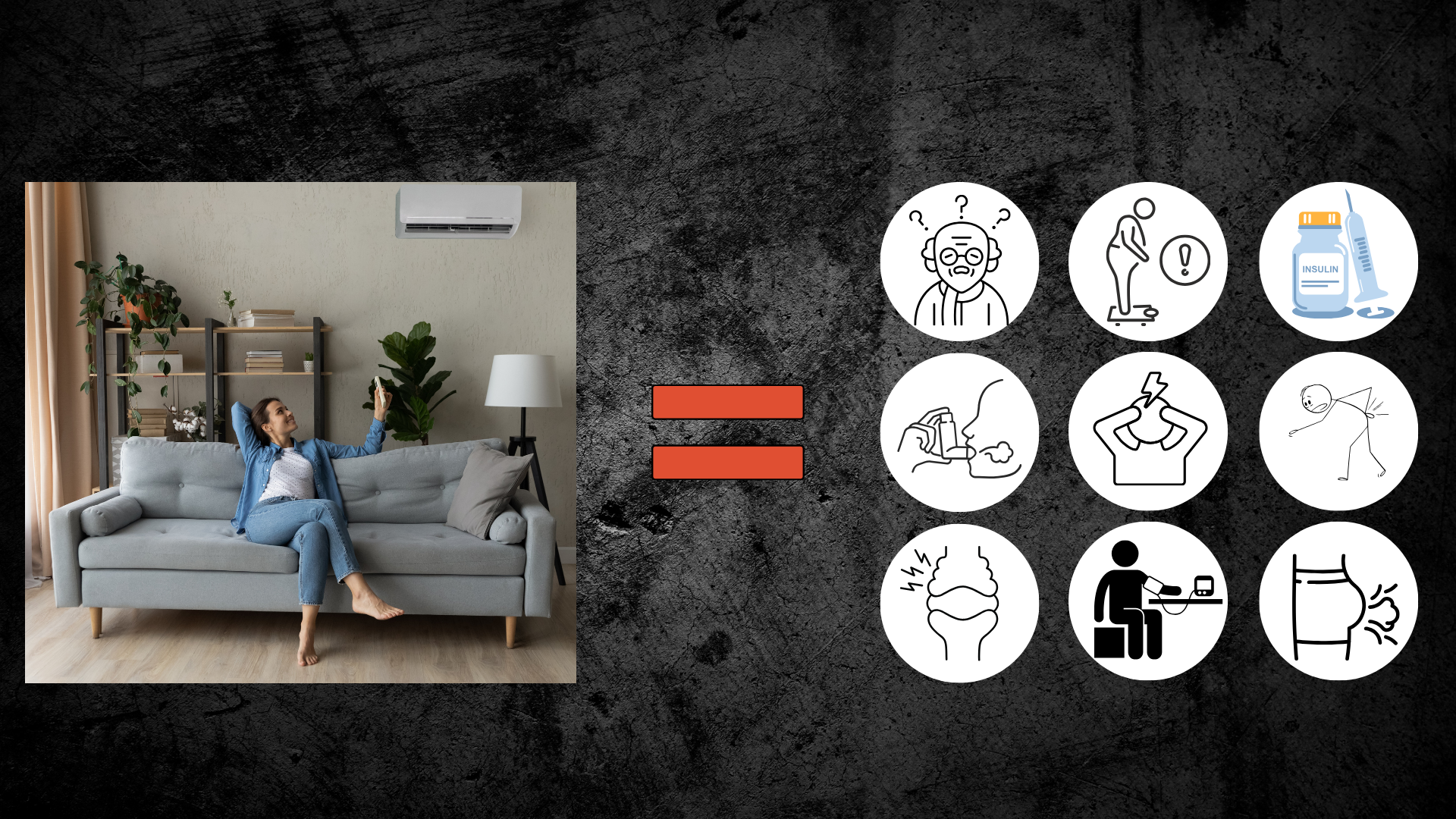
Most of us have close friends or family who are in someway affected by lifestyle diseases such as:
Obesity, Type 2 diabetes, asthma, anxiety, back pain, chronic arthritis, cardiovascular disease and irritable bowel disease only to list a few.